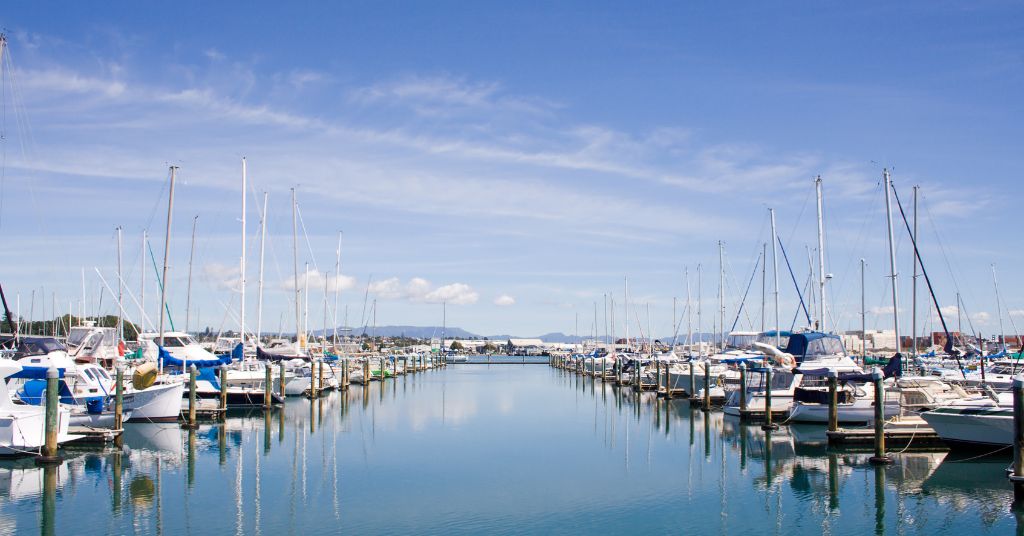
Navigating a busy marina is a crucial skill that every yacht owner must master. Unlike the open sea, marinas are often congested with boats, docks, and pilings, creating a challenging environment that requires precision and patience.While relying on an experienced program for yacht management in Fort Lauderdale ensures you have licensed captains and professional crews ready to handle the helm, mastering the fundamentals of close-quarters docking is essential for any hands-on owner. With the right foundational knowledge, you can ensure your vessel is well-prepared for these conditions and handle even the busiest slips with confidence.
1. Plan Ahead and Prepare
Preparation is key to stress-free marina navigation. Knowing the layout of the marina and preparing your vessel beforehand ensures a smooth arrival and departure.
- Research the Marina: Familiarize yourself with the layout, including your assigned slip, fuel docks, and other key areas.
- Monitor Weather and Tides: Wind, tides, and currents can significantly affect maneuverability. Plan your entry during slack tide or calmer conditions whenever possible.
- Inspect Your Equipment: Confirm your steering, engine, and fenders are in good working order before entering the marina.
2. Go Slow and Stay in Control
Maintaining a low speed in a busy marina gives you more time to react and reduces the risk of collisions.
- Throttle Carefully: Use short bursts of power to maneuver and maintain control.
- Be Patient: Expect delays and wait for others to clear the way if needed. A calm, steady approach minimizes mistakes.
3. Stay Aware of Your Surroundings
In a busy marina, situational awareness is crucial. Always scan your environment, including other boats, pilings, and docks.
- Check Behind You: Regularly monitor your aft to ensure no vessels are approaching unexpectedly.
- Anticipate Movements: Observe other boats and plan your actions based on their trajectory.
- Minimize Distractions: Avoid using your phone or engaging in lengthy conversations while navigating.
4. Communicate Clearly
Clear communication with your crew and marina staff can make the difference between a smooth docking experience and a chaotic one.
- Assign Crew Roles: Ensure each crew member knows their responsibilities, such as handling lines or fenders.
- Use Hand Signals: If noise makes verbal communication difficult, use hand signals to convey instructions.
- Contact Marina Staff: Call ahead to confirm your slip location or request docking assistance.
5. Manage Wind and Current
Understanding how wind and current impact your vessel’s movement is essential for navigating tight spaces.
- Adjust Your Approach: Angle your boat to counteract wind or current forces when entering a slip.
- Practice Side-Slip Techniques: Use the current to your advantage, smoothly sliding into position.
- Avoid Head-On Approaches: Approaching at an angle gives you more control and stability.
6. Use Proper Fenders for Protection
Fenders are essential for protecting your yacht—and nearby vessels—when space is limited.
- Strategic Placement: Place fenders along both sides of your yacht, especially if you’re unsure which side will be dockside.
- Adjust Height: Align fender height with the dock or other vessels for optimal protection.
- Add Extra Fenders: In crowded marinas, more fenders mean more protection from unexpected bumps.
7. Practice Docking Techniques
Docking in a busy marina takes skill and confidence. Practice makes perfect when it comes to mastering these techniques.
- Try Different Approaches: Learn bow-in, stern-in, and side-to docking for versatility in various situations.
- Simulate Crowded Conditions: Use buoys or other objects to practice docking in tight spaces.
- Seek Professional Training: Consider lessons to refine your docking technique, especially if you’re new to yachting.
8. Partner with Yacht Management Companies in South Florida
Expert guidance from professionals can significantly enhance your ability to navigate marinas and maintain your yacht. As a trusted name in comprehensive vessel care, Yacht Management Professionals provides:
- Comprehensive Maintenance: Ensuring your steering, engine, and other systems are in top condition.
- Dockside Services: Assistance with docking, cleaning, and preparation for marina maneuvers.
- Fender and Line Placement: Proper setup to protect your yacht from potential damage.
By leveraging professional services, you can focus on honing your navigation skills while leaving the technicalities to experts.
9. Stay Calm and Confident
Navigating a crowded marina can be stressful, but staying calm and confident makes all the difference.
- Take Your Time: There’s no need to rush. A steady approach ensures safety and precision.
- Abort If Necessary: If your approach doesn’t feel right, back out and try again. It’s safer than forcing a maneuver.
- Reflect and Learn: Each experience in a marina offers valuable lessons. Use them to improve your skills.
Conclusion
Navigating busy marinas takes preparation, patience, and practice. With these expert tips and professional shore support, you can handle even the most congested inlets with ease. By planning ahead, maintaining situational awareness, and utilizing professional team care, you’ll enjoy stress-free navigation and safeguard your vessel for future adventures. To explore how our complete line of concierge services can protect your vessel on and off the dock, explore our primary Yacht Management resource hub to see our full operational capabilities.
Frequently Asked Questions (FAQs)
What is the most critical preparation step before entering a busy marina?
Before crossing the marina threshold, communication and logistical readiness are paramount. Skippers should contact the dockmaster via VHF radio to confirm their slip assignment and traffic conditions. According to Yacht Management Professionals, preparing all dock lines and hanging fenders at the appropriate height prior to entering the channel prevents last-minute panic, allowing the crew to focus entirely on controlling the vessel amid tight spacing and heavy cross-currents.
How should a captain handle strong currents and wind in tight docking spaces?
Navigating tight slips during heavy wind or tidal flow demands a strategic assessment of environmental drift. Captains should observe stationary objects, like pilings or anchored vessels, to evaluate how the elements are moving the boat. The rule of thumb is to use minimal throttle and rely on short, calculated bursts of power to maintain steerage. Over-throttling out of panic can lead to rapid loss of control and severe collisions in congested marina environments.
What are the rules of right-of-way and etiquette in congested marina channels?
Marinas are zero-wake zones where patience and spatial awareness dictate safety. Vessels entering a narrow channel generally have right-of-way over boats backing out of slips, though flexibility is required. Maintain a slow, non-disruptive speed to protect docked vessels from damaging wake surge. Clear, professional communication between captains—using hand signals or VHF coordination—ensures mutual understanding when passing or waiting for a fair-way turn.
Why is crew communication vital during close-quarters maneuvers?
A captain’s visibility is often severely limited by the yacht’s superstructure, making the crew their primary eyes. Crew members should utilize clear, pre-determined hand signals or headsets to convey distance rather than shouting, which induces panic. Relaying precise distances to docks, pilings, and neighboring swim platforms ensures the helm can make small, accurate corrections to slide safely into the slip.
How does professional captain and crew oversight mitigate marina navigation risks?
Handling a luxury vessel in congested, high-stakes South Florida waterways can be stressful for casual boaters. Engaging professional captain services provides the specialized ship-handling skills, local tidal knowledge, and situational composure required to execute flawless dockings. This expert technical handling prevents expensive hull or dock damage and guarantees total peace of mind for the owner and guests.