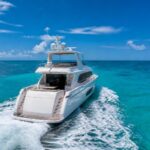

A run to the islands rewards owners who treat Bahamas yacht preparation as a project, not a last-minute checklist. The Gulf Stream sits between South Florida and the Bahamas, and it can turn a calm morning into a rough, short-interval chop when wind opposes the current. The work you do before you leave the dock decides how the crossing goes, how the clearance process feels at the other end, and how well the vessel handles the shallow water on the banks.
From a Fort Lauderdale or Miami slip, the nearest Bahamian landfall is Bimini, roughly 50 to 60 nautical miles away depending on where you start. That is a manageable run for a well-found vessel, and it still demands planning around weather, fuel range, documentation, and the gear you carry.
Start With a Float Plan Someone Can Act On
A float plan is only useful if the person holding it can act. Leave the vessel name, registration number, a description, the number of people aboard, your departure time, your intended route, and your estimated arrival with a shoreside contact who knows how to reach the Coast Guard if you do not check in. Update that contact when the plan changes, and close the loop when you arrive.
If you keep your vessel under professional oversight, a yacht management team can hold your schedule, monitor the crossing window, and coordinate the pre-departure work so nothing is left to the morning you cast off.
Weather Windows and the Gulf Stream
The Stream flows north along the Florida coast, and its behavior sets the tone for the crossing. Wind out of the north against the current builds steep, uncomfortable seas. A settled window with light southerly or easterly flow gives you a better ride and a safer margin.
Summer afternoons bring thunderstorms that develop quickly over the peninsula and the islands. Winter cold fronts push through with strong northerlies that can shut the window for days. Hurricane season runs from June through November, and any system in the region changes the plan. Watch the forecast for several days, pick your window, and be ready to delay. Waiting at the dock costs less than a rough crossing.
Customs Clearance and Click2Clear
Bahamas Customs and Excise operates the Click2Clear portal, which lets you submit vessel arrival information before you reach a port of entry. Set up your account, enter the vessel and crew details, and have your documents ready in advance. A cruising permit and clearance at an official port of entry are part of the process for a foreign vessel, and the specific document list can change, so confirm the current requirements with Bahamas Customs before departure.
Carry your vessel registration, proof of ownership, insurance papers, and passports for everyone aboard, and keep copies in a dry bag. On the return leg, report your arrival to U.S. Customs and Border Protection as required. Clearance takes less time when the paperwork is organized before you leave the dock.
Shallow Draft Navigation on the Banks
Bahamian cruising moves you from deep water onto the banks, where the bottom can rise to a few feet without warning. Coral heads, shifting sand, and tide all change the water under your keel. A working depth sounder, current charts, and careful visual piloting matter more here than open-water habits.
Plan your arrival in good light. Sun behind you and polarizing glasses make the color changes that signal shallow water easier to read, and a lookout on the bow helps on a bright day. Running unfamiliar bank water at night is a risk most owners are better off avoiding. Know your vessel’s draft, add a margin for tide and swell, and give the shallows the respect they ask for.
Safety Gear Redundancies
Offshore work calls for a second path to every critical function. Carry an EPIRB, a liferaft sized to the crew, flares, and a life jacket for each person aboard. A fixed VHF plus a handheld unit covers a radio failure, and a charged ditch bag keeps your essentials together if you have to step off the vessel.
Redundancy applies to the systems you rely on most. Two bilge pumps, a backup chartplotter or a tablet with offline charts, and a second anchor with rode give you options. Size fenders to your vessel’s length, and carry at least three for proper protection at a dock or raft-up. None of it replaces sound boat handling, and the gear only helps when you have practiced with it.
Spare Parts and Consumables for Island Cruising
Parts that sit on a shelf in Fort Lauderdale can be days away once you reach the islands. Build a spares kit around the systems that stop a trip: impellers, belts, fuel and oil filters, engine oil, coolant, raw water pump parts, an alternator and starter if space allows, and the tools to install them.
Add fuses, bulbs, hose clamps, stainless fasteners, electrical wire, sealant, and spare line. Carry spare zincs for the running gear, and check your through-hulls and seacocks before you leave. Plan your fuel range with a generous reserve, know your burn rate at cruise, and account for the running you will do between islands after the crossing.
Prepare the Vessel Before You Leave the Dock
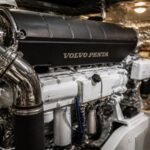
The pre-crossing inspection is where most problems surface while you can still fix them. Have the engine and generator serviced, check belts and hoses, load-test the batteries, and confirm the bilge pumps and high-water alarm work. Inspect the running gear, the hull, and the tender, and make sure the ground tackle is ready for the anchorages you plan to use.
A yacht maintenance visit before departure catches the small items that turn into a tow or a delay, and, if needed, professional captain and crew services can handle the crossing for owners who want an experienced hand on the helm.
Ready for Your Crossing?
Good Bahamas yacht preparation comes down to planning the float, watching the window, handling the paperwork, reading the water, and carrying what you need to solve problems on your own. Do that work on the dock, and the crossing becomes the trip you were looking forward to. Contact Yacht Management Professionals to schedule a pre-crossing inspection and a vessel evaluation before your next run to the islands.